Chinese Seal Engraving
Introduction
Chinese Seal Engraving is a profound art form that serves as a cornerstone of Chinese fine arts. Historically, seals were utilized as signatures or signs of authority, but over time, their use expanded to encompass all social classes and various regions of Asia. This art form remains integral to Chinese culture, underscoring the nation's artistic and historical legacy.
In 2009, Chinese Seal Engraving was inscribed on the UNESCO Intangible Cultural Heritage list, acknowledging its importance and ensuring its continued practice and transmission.
Historical Background
The tradition of seal engraving in China dates back more than 3,000 years. Initially, seals were employed by royals and officials as emblems of power and identification. However, as time progressed, their usage spread to scholars and artists, symbolizing both personal identity and intellectual expression. Inscriptions on seals typically include the owner's name, the artist's name, or a philosophical statement, reflecting the engraver's sentiments and artistic vision.
Technique and Design
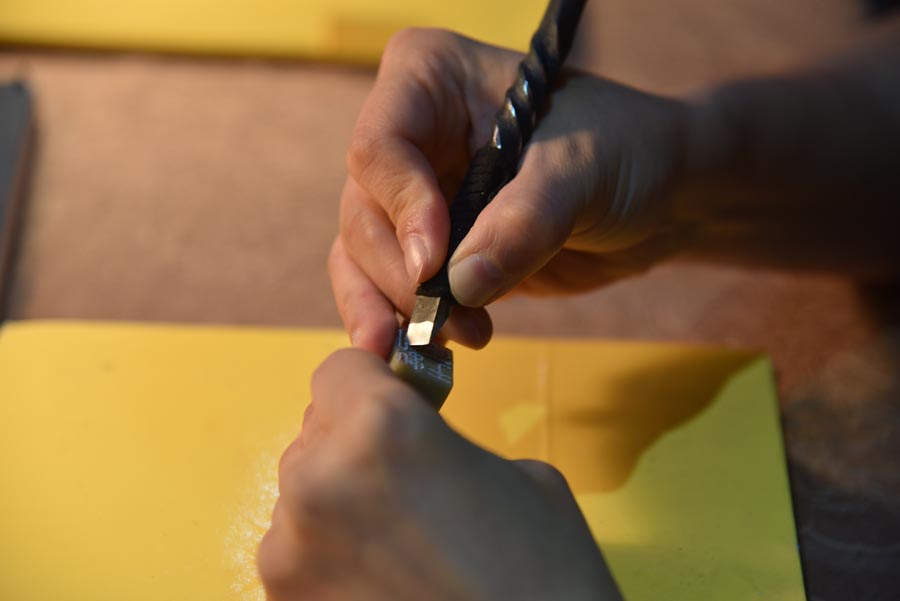
Creating a Chinese seal involves a meticulous process starting with a design sketched on paper. The design is then transferred onto stone, carved in reverse with a knife, enabling the imprint to appear correctly when stamped. Mastery in traditional calligraphy is imperative, as the artist must demonstrate exceptional control and precision on the small stone surface. The intricacy of each line and curve significantly impacts the final impression, requiring a high degree of virtuosity.
Cultural Significance
Seals are more than functional tools; they are revered as art objects reflecting broader cultural philosophies about humanity and nature. As instruments of calligraphy and painting, they embody the artistic and cultural ideals of Chinese society. The diverse motifs and inscriptions on seals are products of the artist's imagination and cultural understanding, making each piece unique. Even today, seals are used in official documents and personal correspondence, preserving their cultural significance.
Preservation Efforts
To safeguard the art of seal engraving, numerous institutions have been established, with the Xiling Seal Engraver's Society being one of the most notable. Founded in 1904 in Zhejiang province, this society is recognized as a "Holy Land" by carving enthusiasts, preserving the art form's rich history and techniques. It serves as a museum housing tens of thousands of seals, including ancient objects and works by renowned engravers.
Despite the challenges of modernity, the practice of seal engraving continues, supported by both professional and amateur artists. Exhibitions and workshops, like those held internationally, help to introduce this traditional art to broader audiences.








